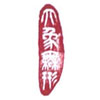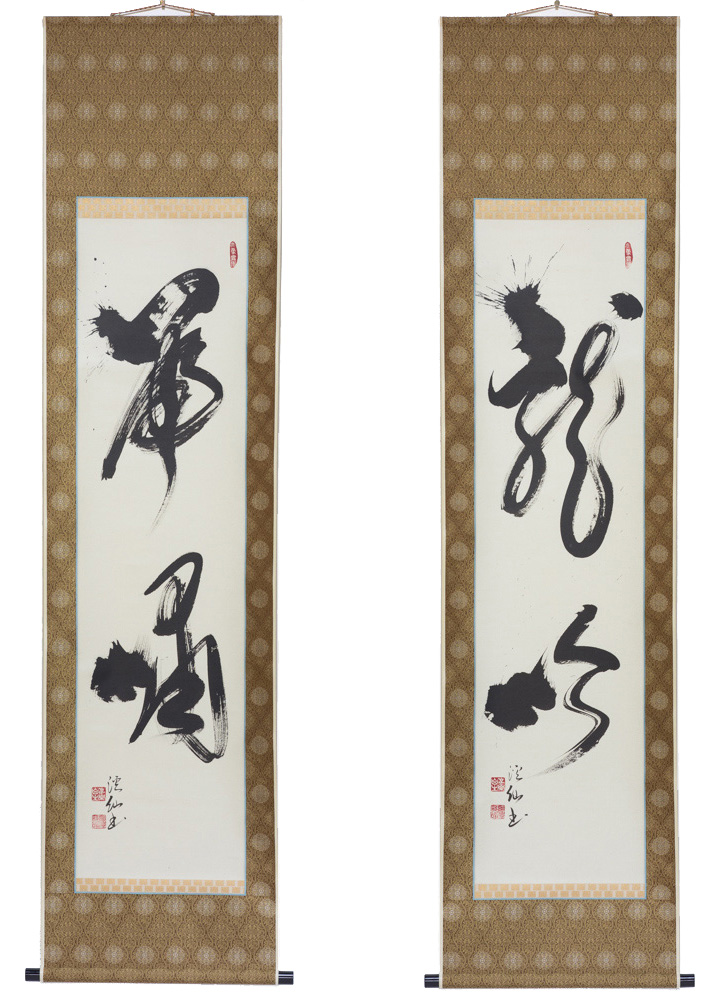
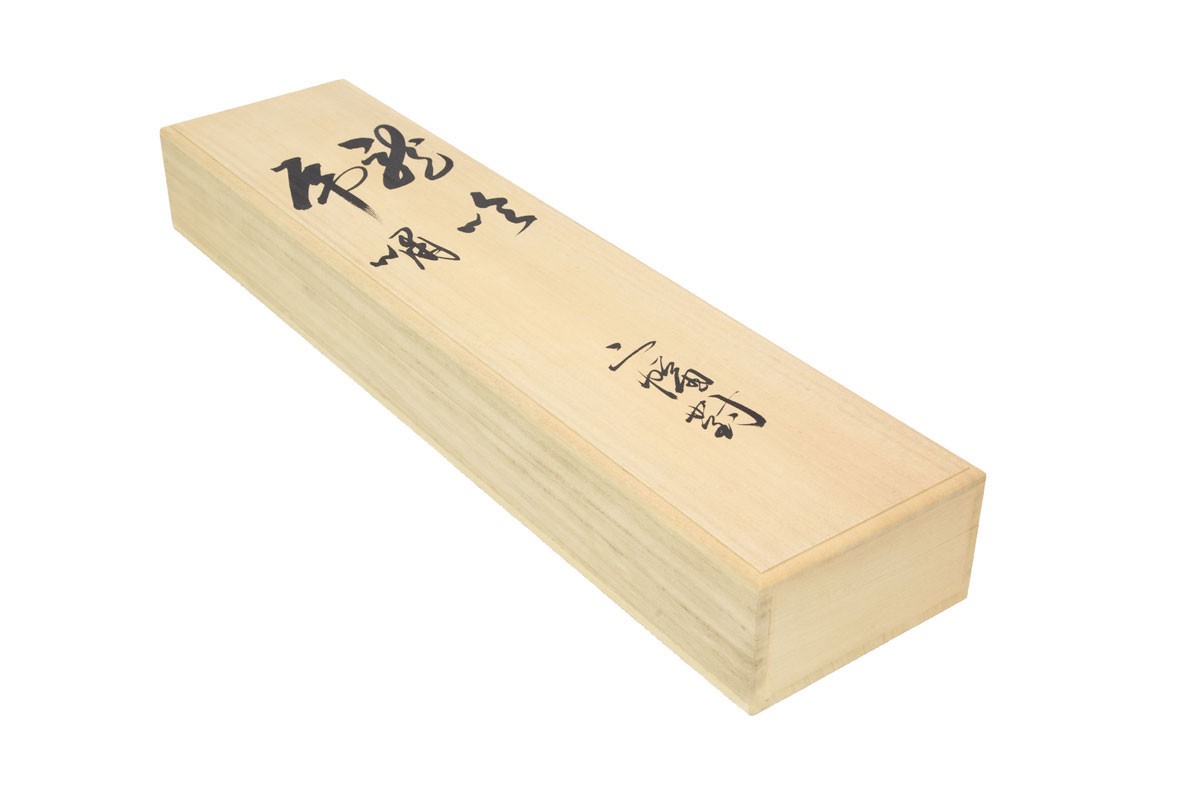
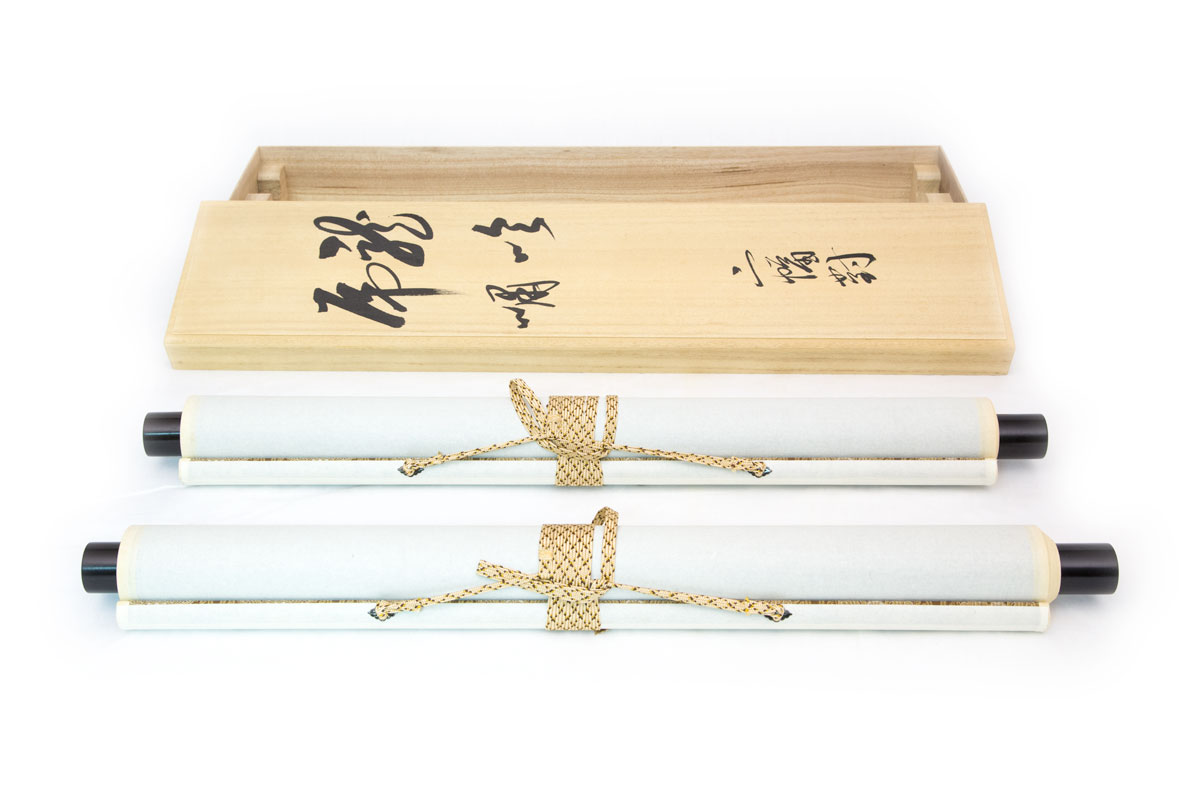
There is no single identifiable source for this saying. It appears in a number of Zen texts, with nuanced meanings that differ in accordance with the contexts.
For example, in the biography of Chan Master Jizang Xianduan地藏顯端
found in the Jianzhong Jingguo Era Record of the Continuation of the Flame建中靖國續燈録
, compiled in 1101, we find the following poem:
Who deeply appreciates the music of Jizang’s [= “my”] single lute? The pines on the cliffs rise one hundred feet; the frothy torrent cascades down one thousand fathoms. What kind of lute is this? The roar of the tiger and the song of the dragon.
地藏一琴。誰是知音。岩松百尺。瀑布千尋。是何之琴。虎嘯龍吟。
In these lines, Jizang’s seems to be boasting of his own spiritual attainment. He compares the spectacular mountain scenery spread out before him to a stringed instrument that he holds in his hands, likening the music made by that “instrument” to the roar of a tiger or the song of a dragon.
To cite one other example, in his “pointer”垂示
to case #99 of the Blue Cliff Record碧巖錄
, Yuanwu Keqin圓悟克勤
(1063-1135) writes:
When a dragon sings, mist appears; when a tiger roars, wind arises. When [a buddha] appears in the world to model the path, the [instruments made of] gold and jade play in concert. When there is complete mastery of technique, the arrow tips [of opposing archers] meet each other [in mid-flight]. When there is no concealment throughout the world, far and near are equally obvious, and past and present are clearly discerned. Now, tell me: whose field of cognition is this? As a test, I raise the following case for contemplation.
龍吟霧起虎嘯風生。出世宗猷金玉相振。通方作略箭鋒相拄。遍界不藏遠近齊彰。古今明辨。且道是什麼人境界。試舉看。
In this context the “song of the dragon” and “roar of the tiger” are clearly compared to the activities of a buddha, whose skills are sublime and knowledge is unlimited.